Over the course of this past year, many people have had to get used to the idea of redundancy. That is a job, idea, business or even a way of life that no longer exists. Redundancy is tough and often leads you to question the reasons behind it as well as your own ability.
Strangely our experience of furlough and this pandemic are not so different to being made redundant. Having suffered redundancy* first-hand, I recognise that it can leave you feeling emotionally bereft and without purpose. The support schemes, set up to reassure, now disguise what we all know is going on behind the scenes. The reality is that we are all on edge, stuck in limbo, anticipating the inevitable but afraid of making the jump.
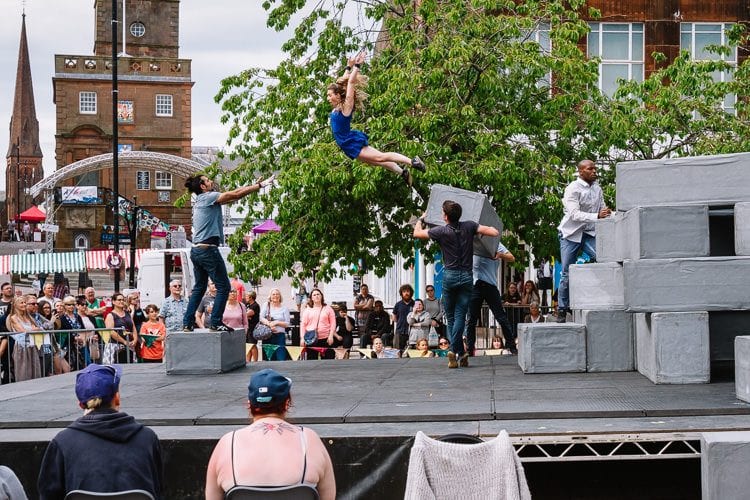
Soon it will be the turn of buildings to be made redundant. Significant changes in consumer habits and culture over the past decade or two have laid bare the fragility of the High Street. Many buildings have already served out their notice period and have been sitting empty for years. Buildings, and the spaces in between, will need new jobs. The whole team – including the High Street – has been put on notice of redundancy.
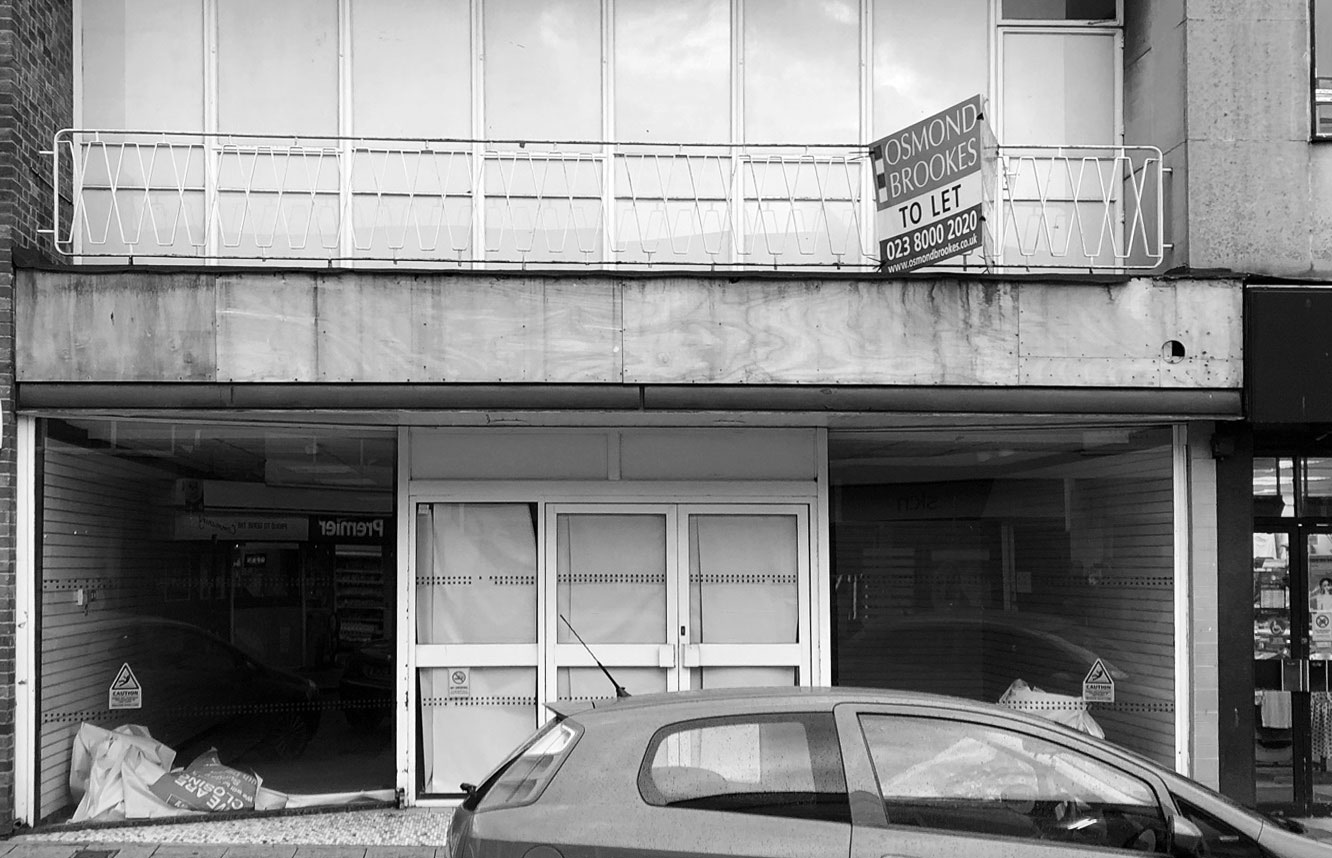
On the plus side, lockdown(s) and furlough have given us the time to reflect on what is important and the chance to see space differently. A change in culture or in lifestyle can change the need and use of space. Whether this is extending your home or creating a home office, taking time out has probably made you more aware of your needs and keener to explore how you can make your space work better for you. Apart from our own individual working spaces, what do you want our new collective spaces to do or to look like?
If you are stuck at home, you are likely to have become familiar with the spaces that do not work. You may even have a better understanding about what your home means to you (#frameaview) and have plans to change it. Just as we are asking what we can do to make our own spaces work better for us, it’s time we also thought more about our shared built environment.
I remember uncertainty about my future being one of the hardest things to deal with in respect of redundancy. The way to get through it is to map out your exit and find your own way. Furloughed space doesn’t know why it no longer fits in, why it has been cast asunder. It needs an action plan too.
We need to look at the strengths and weaknesses of furloughed space and think about how it can be developed to fit a new role. There are also a variety of social and urgent needs that could be addressed by the use of furloughed space. If a restaurant is no longer viable, then could it not become a community drop-in centre or temporary home for someone?
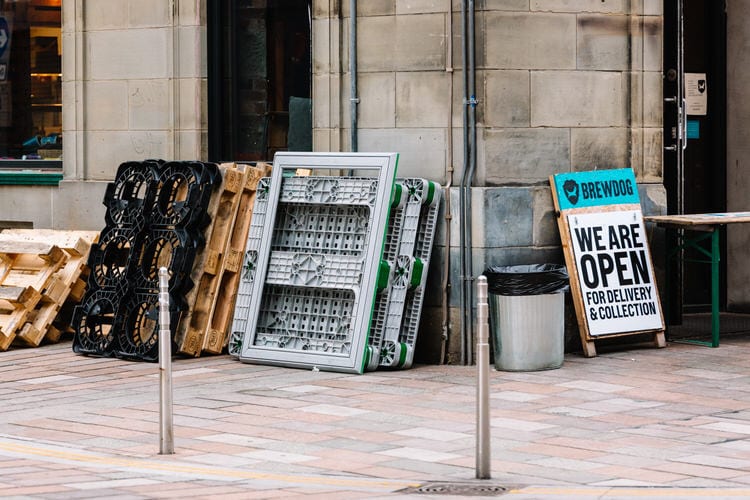
Are we going to accept our fate, the redundancy of our urban environment, or are we going to invest in the changes necessary to reshape our fortunes? Spaces need to be given new purpose and ought to be re-imagined. Empty spaces could be employed to help us emerge from our homes. A redundant office space could be simply converted into a temporary classroom to help local schools manage risk, social distancing, and deliver direct teaching.
We are at a collective crossroads. Just as there will be more of us unemployed, there will be more empty shops, more empty offices, more dereliction. What will we do with all these spaces? Where the pandemic offers us an opportunity to diversify use and bring the living world and life back into our town centres, what are we going to do? As a first point of call, our High Streets need to be given their own vaccine, an injection of variety and Covid-safe activity.
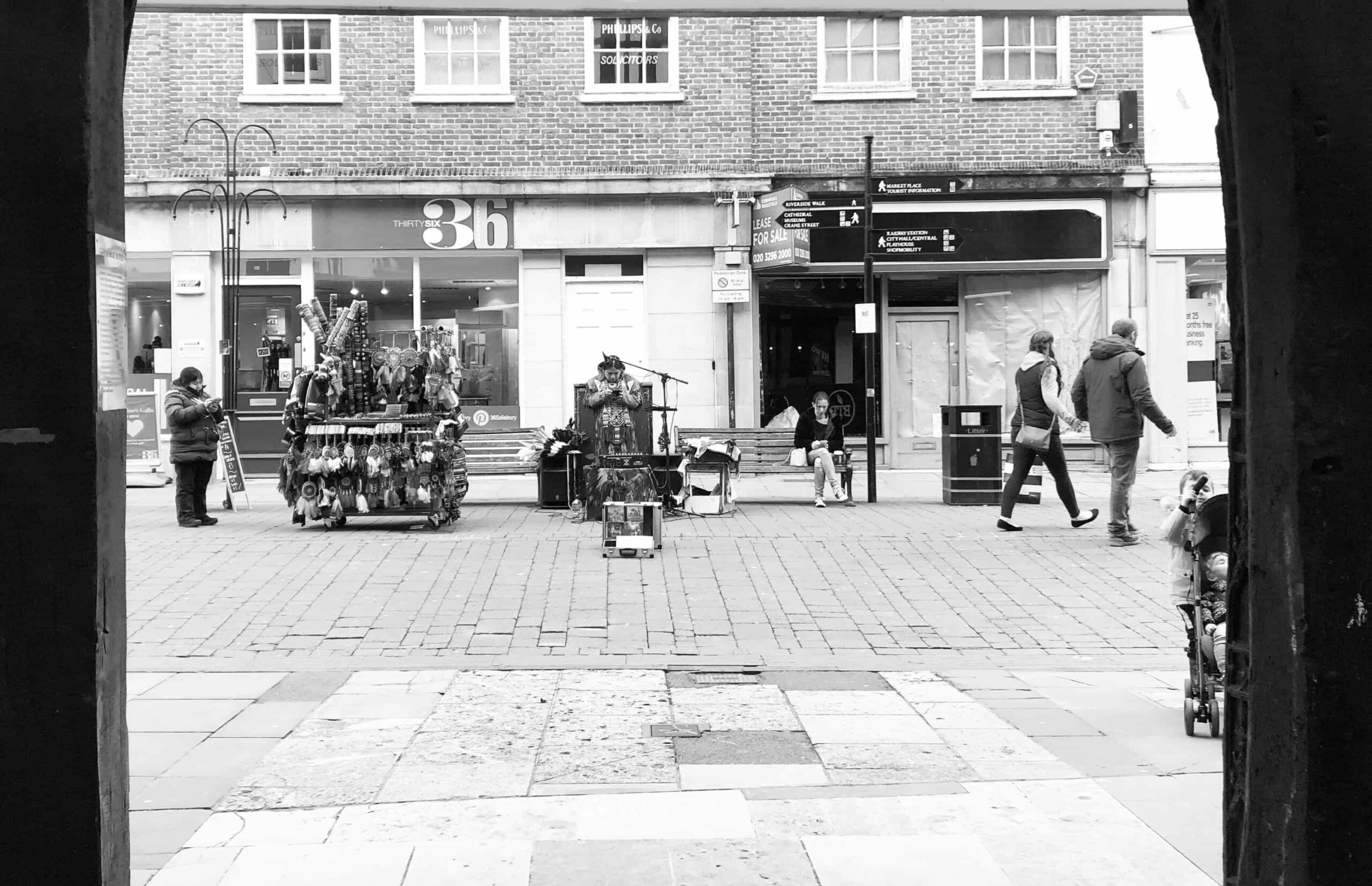
As the summer approaches, why not start with a carnival of creative engagement; chalk on pavements, temporary installations, sculpture, pop-up shops, outdoor theatre on coffee tables … and reclaim the streets as our own. By investing in culture and the events industries, giving them the chance to re-invent themselves, as well as the empty spaces and those in-between we will all have something to look forward to. Take the cars away and there will even be room to breathe. Roll on summer!

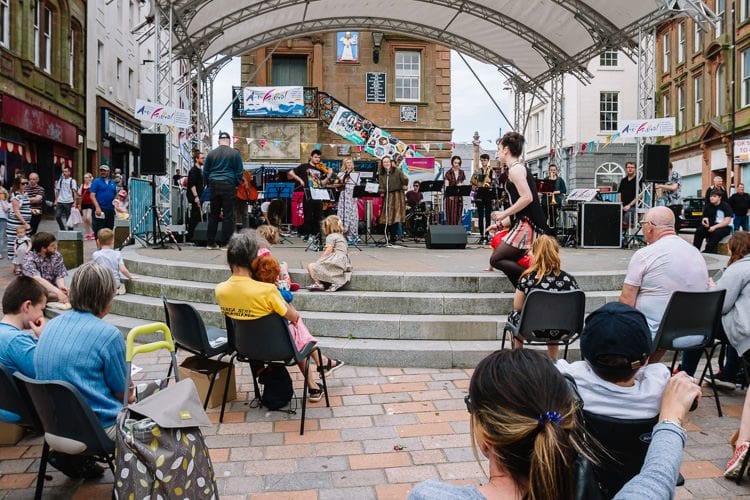
Urban Photography courtesy of Galina Walls Photography © 2020
___________________________________________
NOTES*
If you are managing your own battle with redundancy, then you have my sympathies. Remember that in most cases redundancy is economic and not personal. Covid has forced many companies to make tough decisions about letting good staff go. From experience, I can testify that there will be a new dawn and a better day. Try and hold onto the fact that we are all in this together and that this too will pass. If you are working on plans for your home or temporary creative space, then do GET IN TOUCH.
Galina Walls Photography
Galina Walls explores urban visual culture using photography and reflective writing as investigative tools. Her passion is urban and street imagery, and she curates Urban Photography News, the online collection of articles, tips and techniques related to this.