

We often overlook our environment as we pass by. However, it is the spaces in-between that form part of our journey which tend to be the most interesting. The adventure of architecture is not in making one-off beautiful buildings, but seeing how they relate to the landscape and to one another.
It is the spaces and shapes of the in-between that tantalise, the sculptural play of light from object to object, the collective coming together of design and effort. It is the conversation between two forms that makes the architecture. This is most prevalent in the city, where the history of a place is captured in a moment.
A compressed medieval passageway leading to a meteoric, manmade skyscraper is what makes the built environment so exciting. The in-between space is encapsulated by the cobbles underfoot coupled with the glint of light of a unitised glazing system. The surging symphony of the shapes around, the touch of a damp old walls, a steep level change, the weather, the sound, all bubble over to speak of an architecture of sensation.
Much like a still life, architecture is the meeting of objects and forms that connect in their similarity by arbitrary arrangement. It is in the shadow, and in colour and contrast that their relationship to one another is expressed. “Half shut your eyes” I was told by my art teacher, “… take in the outline, the silhouettes, the shadows, then turn to draw textures.” If you want to see space differently, now is the time to take the magic potion. Imagine yourself 1/100th of your normal size, walking amongst the old lantern, the pepper pot and the baseball bat.
You are now experiencing the architecture of still life. Time to explore what the in-between space feels like. Large and foreboding, or intimate and cosy, what factors are at play? I suspect you will find they are the same factors that define our built environment: surface, light, natural colour and form.
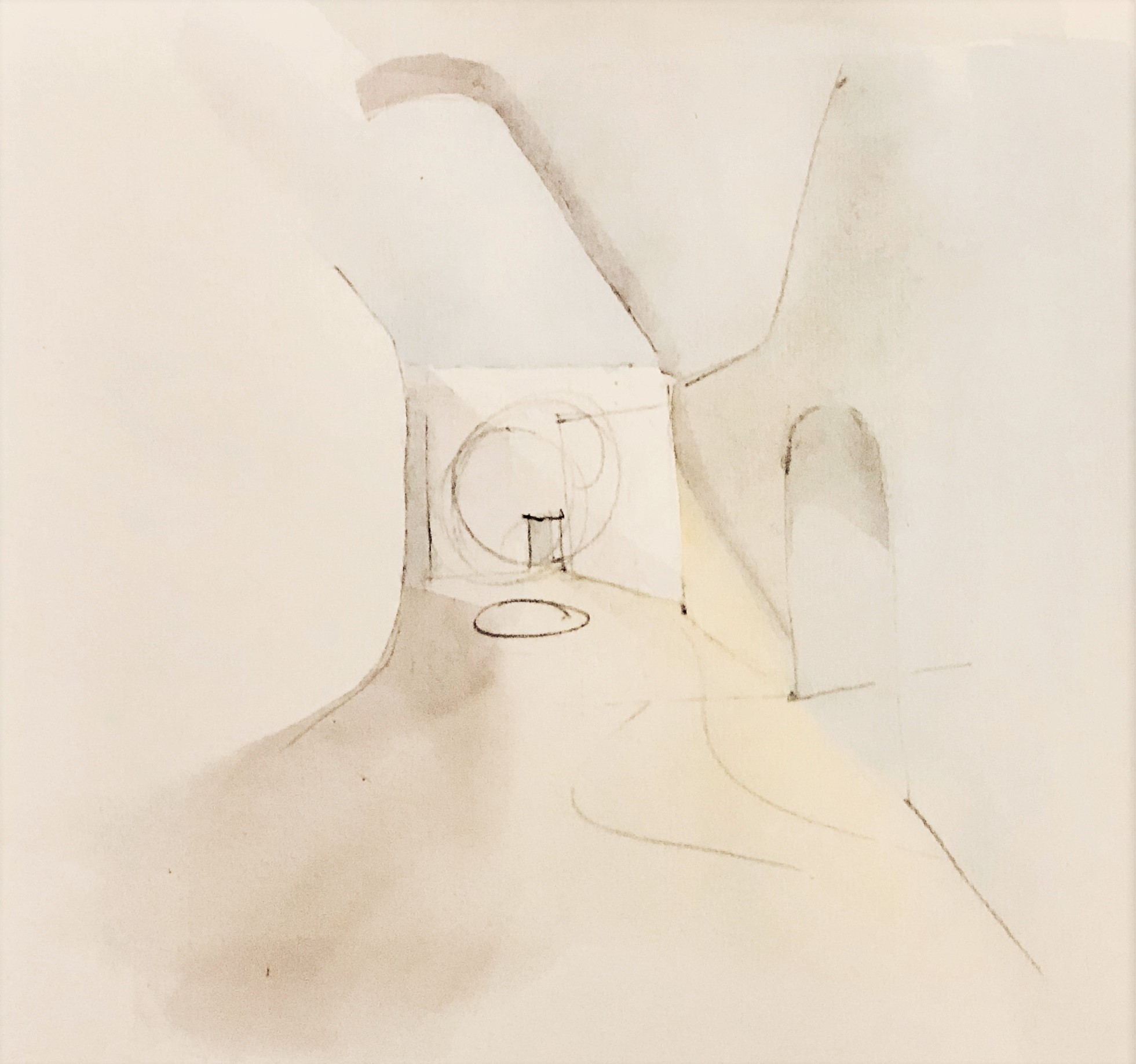
It is all very well defining the contained spaces inside, but a real place maker looks outside their box to the shadows of the past, to the collective consciousness of a place, and to the meetings of these buildings. When you are next out and about, take a moment, half shut your eyes, look at the in-between spaces, look up and you may just begin to see space differently.